News
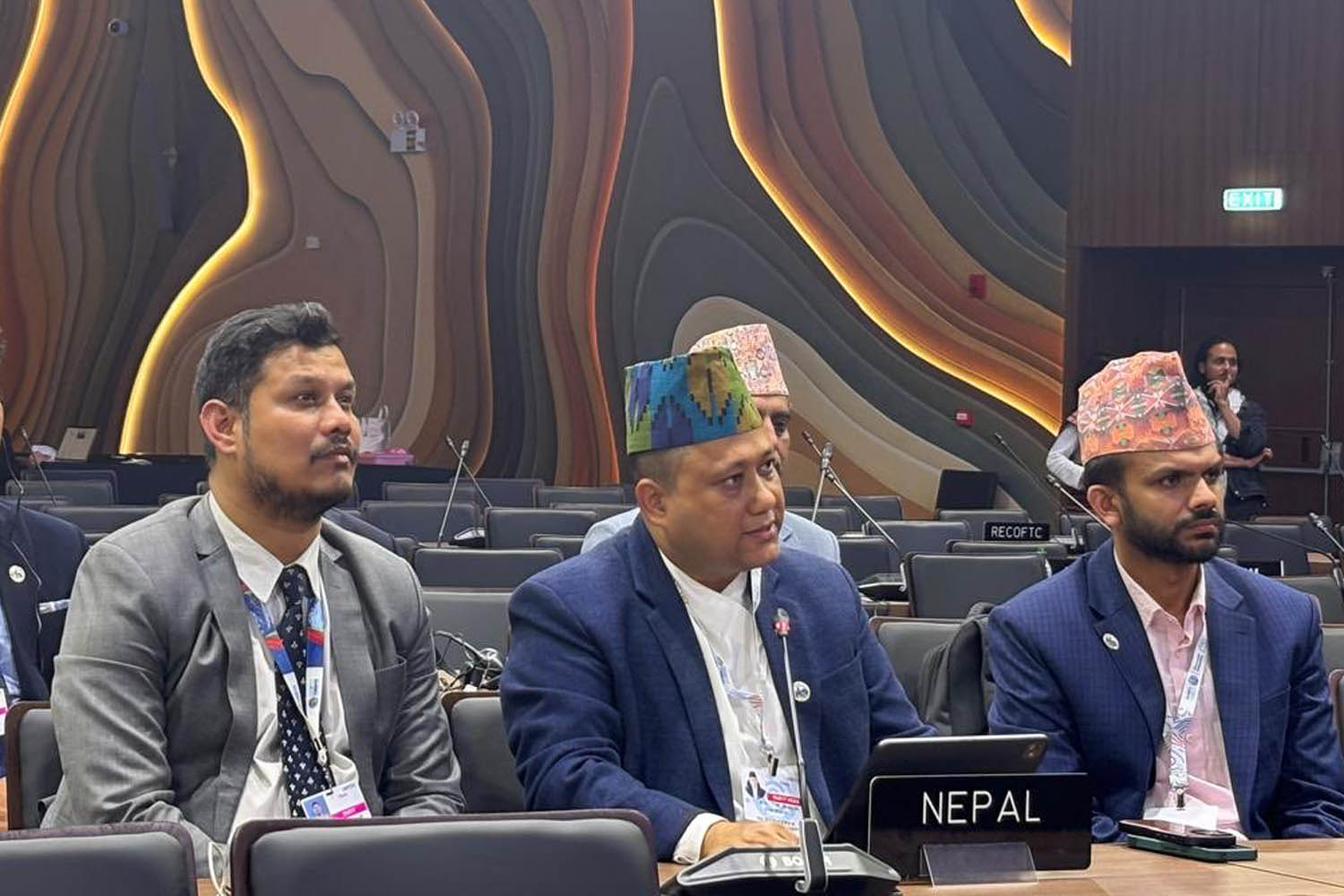
Nepal has used the opening of the COP31 climate conference in Antalya, Türkiye, to press for a dedicated international programme on mountains and climate change, mountain-specific measures in global adaptation and finance frameworks, and more accessible support for vulnerable regions. The Ministry of Foreign Affairs posted its Day 1 account at 7:27 am Nepal time on November 10, while the statement itself is dated November 9.
The Kathmandu Post published a separate report on November 10 and updated it at 8:14 am NPT. COP31 is being held from November 9 to 20; the opening address and the following day’s pavilion activity are events, not the source publication times.
Foreign Minister Shisir Khanal, who is leading Nepal’s delegation, told the conference opening plenary that the protection of mountain ecosystems should be built into the formal COP process.
Nepal’s three stated priorities are to keep the 1.5 degrees Celsius temperature goal within reach with particular attention to the Himalayas, establish a dedicated action plan or work programme on mountains and climate change, and include mountain-specific indicators in the Global Goal on Adaptation and the New Collective Quantified Goal on Climate Finance.
These are Nepal’s negotiating requests at the start of the conference; the reports do not say that COP31 has already adopted them.
The distinction matters because international climate frameworks can sound abstract while their design affects how risks are measured and how finance is allocated. A mountain-specific indicator could help ensure that glacier, cryosphere, slope and downstream risks are visible when countries assess adaptation needs. A dedicated programme could also create a continuing venue for those issues instead of leaving them spread across broader negotiations. This is analysis of why Nepal’s proposal could matter, not a forecast that other parties will accept the language or that new funding has already been committed.
Nepal also opened a national pavilion at the conference on November 10. The Foreign Ministry and Public Service Broadcasting Nepal say the pavilion is presenting the country’s biodiversity conservation record and community-level adaptation work.
At a high-level side event co-hosted by Nepal, Bhutan and Kyrgyzstan with ICIMOD and the Zoï Environment Network, Khanal called for predictable and accessible adaptation finance and for mountain resilience to be embedded across the United Nations climate process. The ministry separately recorded Nepal’s call for easier access to loss-and-damage funding and stronger protection for downstream communities.

The scale of the audience affected by mountain systems is central to Nepal’s case. The ministry said nearly one-third of humanity relies directly on mountain ecosystems, while the Kathmandu Post reported Khanal’s separate figures that mountains cover about 27 percent of the world’s land and are home to around 15 percent of its population.
Those statements describe different relationships—direct dependence, land coverage and residence—and should not be treated as competing population estimates. The Post also attributed to Khanal the claims that nearly half of Nepal’s land area is covered by community-managed forests and that more than 70 percent of newly purchased passenger vehicles are electric, presented as evidence of domestic climate action.
Alongside the conference programme, Khanal met Ethiopian Foreign Minister Gedion Timothewos. The ministry said their discussion covered climate cooperation, Nepal’s sustainable graduation from least-developed-country status, trade, air links, tourism and people-to-people relations. Ethiopia is expected to hold the next COP presidency, giving the meeting relevance beyond a routine bilateral call. The official release says Nepal’s delegation will continue meetings during COP31, so the opening statement is a first-stage position rather than the final outcome of the negotiations.
For Nepal audiences, the timely development is therefore specific: the country has moved from preparing a mountain agenda to formally presenting it at the COP31 opening, supported by a national pavilion and a regional side event. The next material update would be an adopted decision, a confirmed finance commitment or a clearly changed negotiating text.
Until then, the factual takeaway is that Nepal is seeking a dedicated mountain-climate track, measurable recognition of Himalayan risks and finance that can be accessed for adaptation and loss and damage. Coverage should keep those policy requests separate from any unconfirmed claim that money or international approval has already been secured.
Source publication date: 2026-11-10; The Kathmandu Post report was updated at 8:14 am NPT, while the Foreign Ministry page was posted at 7:27 am NPT and carries a statement dated November 9. Event or reporting period: 2026-11-09 to 2026-11-10; COP31 runs November 9-20, 2026.
Sources:The Kathmandu Post, published November 10, 2026 and updated at 8:14 am NPT; opening address, policy priorities, context and original featured photograph · Ministry of Foreign Affairs, page posted November 10, 2026 at 7:27 am NPT and statement dated November 9; official Day 1 programme, pavilion, side event and bilateral meeting · Public Service Broadcasting Nepal, published November 10, 2026; independent report on the Nepal pavilion and delegation priorities
Source: GPT News Feed